How to Build Websites in the AI Era That Truly Serve Users, Not Just Look Good
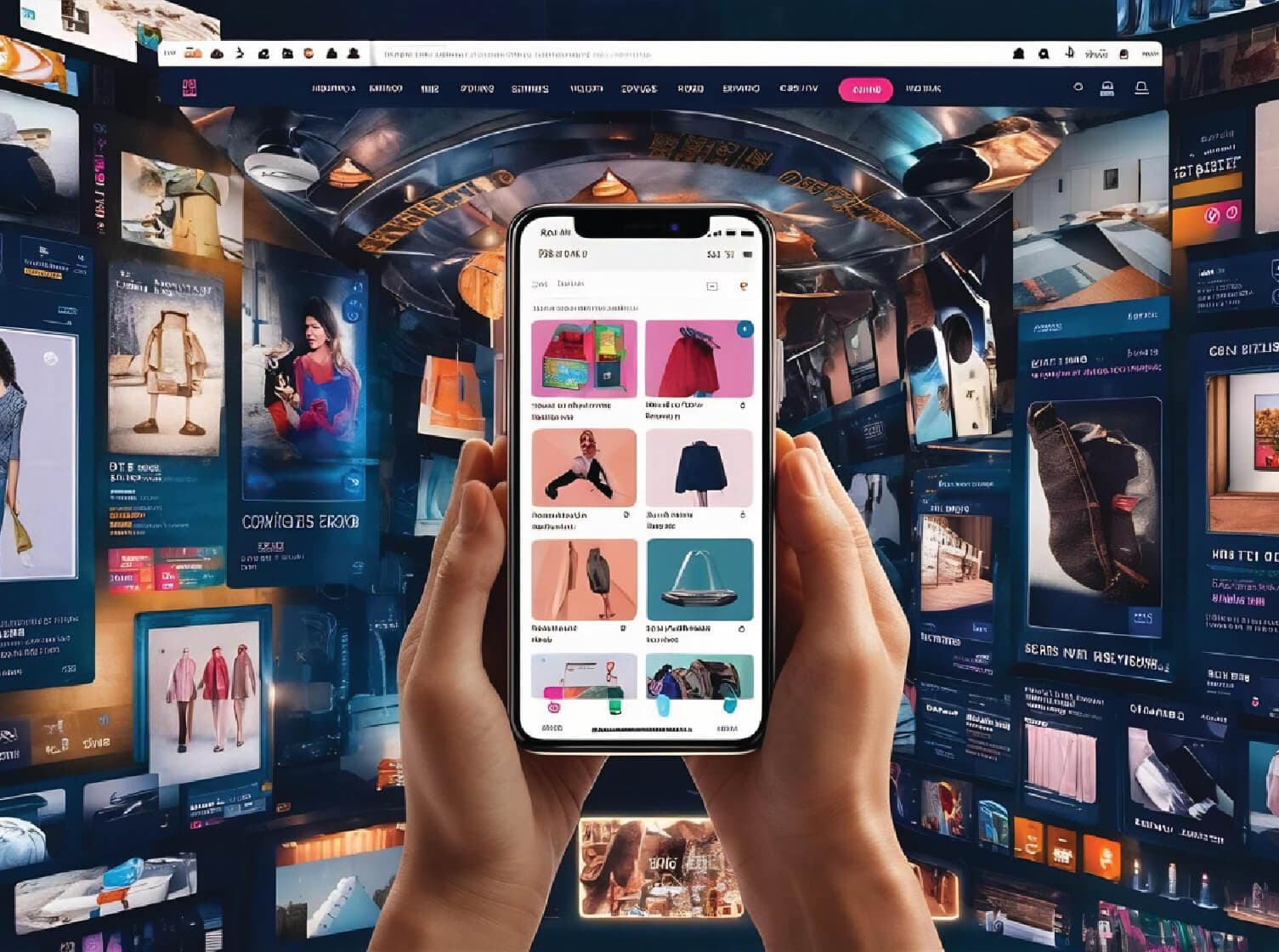
If we go back about ten years, having a visually appealing website was a major advantage. Many businesses invested heavily in design because they believed that beauty reflected image, and image built credibility. At the time, that belief wasn’t wrong.
But as time passed, user behavior changed significantly. People no longer visit websites just to look around. They come with a purpose to find information, compare options, make decisions, or complete a purchase.
As a result, websites that focus mainly on aesthetics are no longer enough. If a site is difficult to use, slow to load, or hard to navigate, users will leave almost immediately without hesitation.
This article offers a different perspective on building websites today. Instead of focusing on how a site looks, it focuses on how it works in real life from the point of view of someone sitting in front of the screen, deciding within seconds whether to stay or leave.
1. Start with a simple question: Why is the user here?
Many websites are built around what the organization wants to say, rather than what users want to know.
Homepages are often filled with company achievements, attractive visuals that don’t add real understanding, or menus structured based on internal departments instead of user needs.
A better approach is to step back and ask: What is the user actually looking for?
- Some want to know if a product or service is right for them
- Some are looking for pricing
- Some want to see past work before making a decision
- Some are simply comparing options
If a website can answer these questions quickly, users are more likely to stay. If they have to click multiple times, read through several pages, or still can’t find what they need, their attention fades quickly.
2. First impressions don’t always come from design
There is a common misconception that a strong first impression must come from a striking design.
In reality, many users don’t remember design details at all. What they remember is whether the site felt easy to use and easy to understand.
A good website doesn’t need to be flashy. It needs to be clear. Users should immediately understand what the site is about, where to click next, and what they will get if they continue.
If users have to stop and think for too long, it’s often a sign that something in the design isn’t working.
3. Good structure is invisible, but you can feel it
When a website is easy to use, everything feels natural. Users click where they expect to, and they find what they’re looking for without effort.
This doesn’t happen by accident. It comes from intentional structure.
Menus should be organized based on what users are looking for. Content should flow logically, not jump around. Buttons should be placed where users expect them to be.
These small details come together to create an experience that feels intuitive, almost effortless.
4. Good content isn’t just well-written, it communicates clearly
Many websites use polished language that sounds impressive but doesn’t help users make decisions.
The issue isn’t the language itself, but the purpose behind it.
Good content should answer key questions:
- What is it?
- Who is it for?
- Why is it better?
- What should the user do next?
Most importantly, it should feel like one person explaining something to another not like a slogan or a formal announcement.
When content is clear, users feel more confident without having to interpret it themselves.
5. Speed is invisible, but immediately felt
No one likes to wait, especially online.
No matter how well-designed a website is, if it loads slowly, users may leave before even seeing it.
Speed is not just a technical issue. It’s part of the user experience.
A fast website feels easy and reliable. A slow one feels frustrating and untrustworthy.
Improving speed can involve many things, from optimizing image sizes to choosing the right backend system.
6. Mobile experience is no longer optional
Today, many users access websites primarily through their phones.
Smaller screens, shorter attention spans, and less patience all change how users interact with content.
Websites designed mainly for desktop often struggle on mobile:
- Text may be too small
- Buttons may be hard to tap
- Content may feel too long and overwhelming
A better approach is to design for smaller screens first. Focus on what truly matters, then expand for larger screens.
7. Remove what’s unnecessary
Many websites try to include everything, out of fear that users might miss something.
The result is often clutter and confusion.
Removing unnecessary elements doesn’t weaken a website. It makes what remains more visible and more effective.
Users shouldn’t have to figure out what’s important. The design should already guide them.
8. Every element should have a purpose
Every image, button, and even empty space should be there for a reason.
If something has no clear purpose, it often becomes a distraction.
Good design is not about adding more. It’s about choosing what matters.
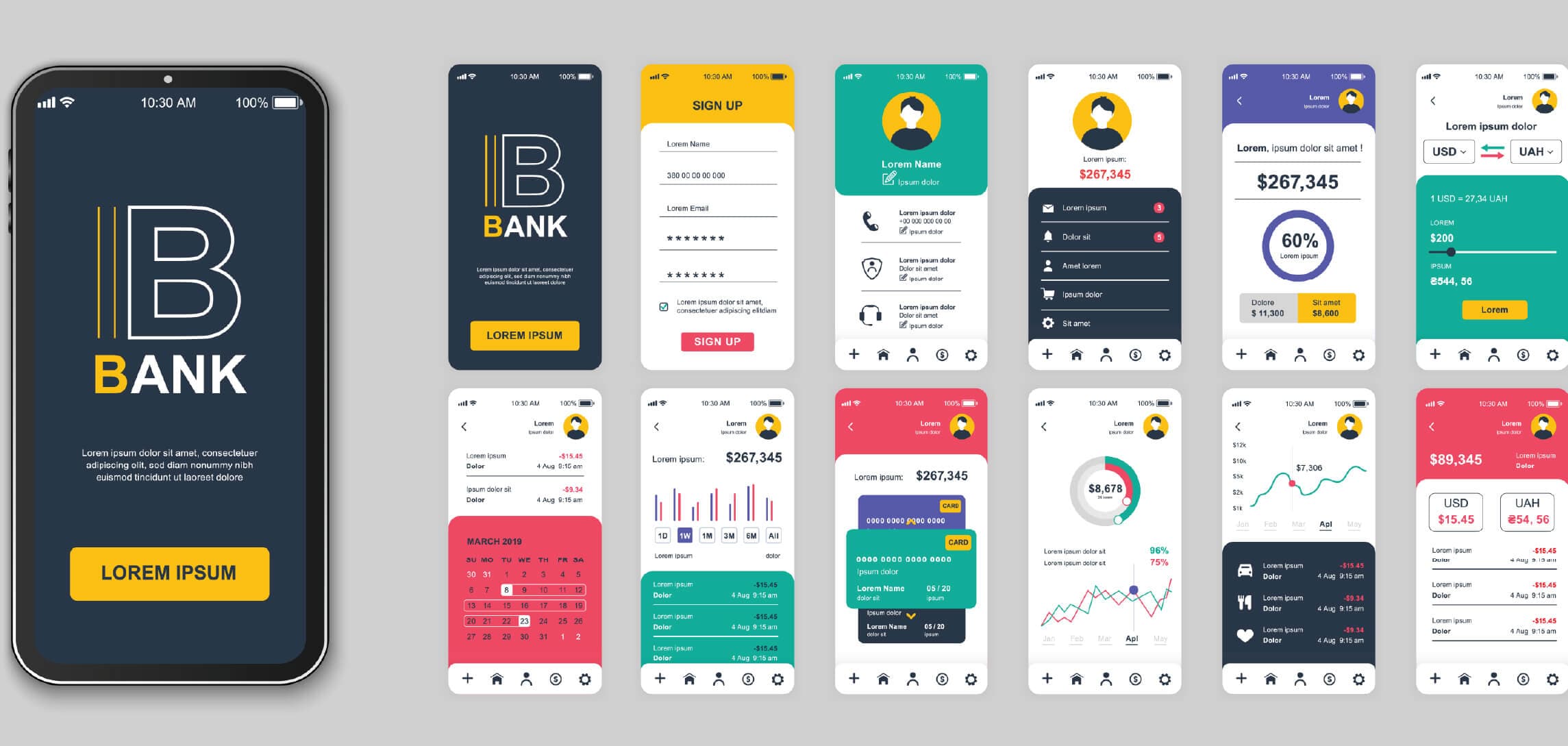
In practice, UX/UI designers often begin with wireframes to map out structure and user flow. These are then developed further using tools like Figma or Adobe XD before being handed off to developers. This process helps ensure that everyone involved shares the same understanding from start to finish.
9. Trust comes from proof, not claims
Today’s users are more cautious. They don’t believe something just because a website says it is the best or number one.
What builds trust is proof:
- Past work
- Real customer feedback
- Verifiable information
Websites that clearly present this kind of evidence can reduce hesitation significantly.
10. The experience should be smooth from start to finish
A good user experience doesn’t come from just one page. It comes from every step the user takes.
- From entering the website
- To finding information
- To contacting or making a purchase
If any part of the journey feels difficult, the overall experience suffers.
11. A website is never truly finished
Many organizations think the job is done once the website is launched.
In reality, that’s just the beginning.
User behavior evolves. Content needs updating. What worked before may not work in the future.
Regular review and improvement are essential to keep a website effective.
12. Technology evolves, but human needs remain the same
Even as intelligent systems become more advanced, websites are still used by people.
And people still want the same basic things:
- Clarity
- Convenience
- Speed
If a website meets these fundamental needs, technology becomes a support tool — not the main driver.


Conclusion
Building a website today is no longer about who can create the most visually impressive design. It’s about who understands users better.
A good website makes users feel that everything is already arranged for them. They know what to do as soon as they arrive. They understand what they read without effort. They move through the site without friction.
These may seem like small details, but together they make a significant difference between a website that people quickly leave and one they choose to stay on.
Design still matters, but it is no longer the whole story.
What matters more is whether the website truly works for the people using it. And that is what gives a website lasting value.