AI Enough to Handle Logo Design, or Do We Still Need Human Designers?

In today’s landscape, it is hard to ignore how quickly AI can generate images, design graphics, and even create logos within moments. What once required hours or even days can now be accomplished in the blink of an eye. This has led to an ongoing question: are designers still necessary?
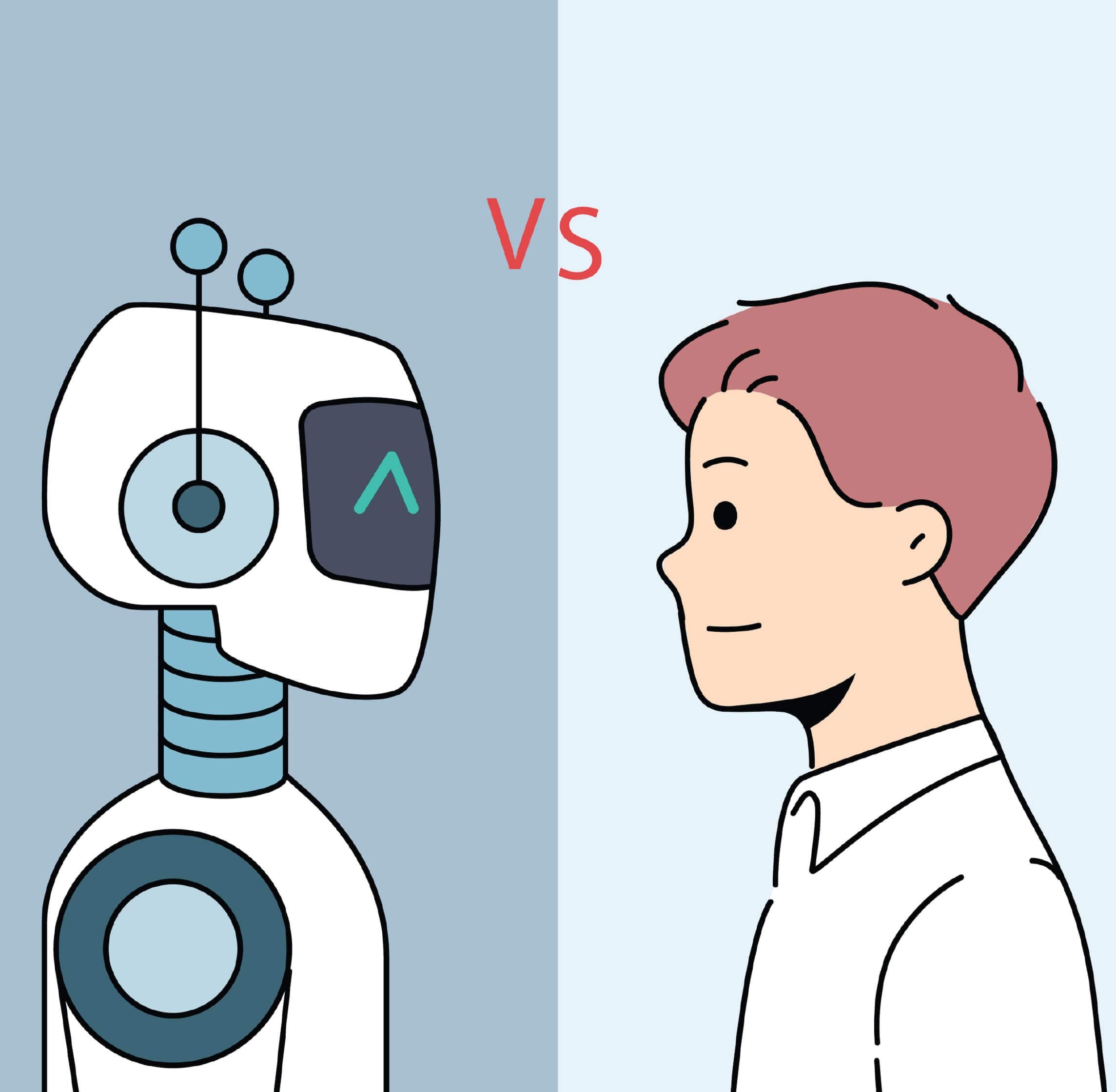
This question reflects a broader shift affecting many professions, often accompanied by a fair degree of concern. However, when examined more closely, logo design is not merely about producing visually appealing images. It is a process deeply connected to strategy, branding, and long-term communication. This raises a more nuanced question: can AI truly replace designers, and where should the real concerns lie?
1. The speed advantage of AI
One of the most evident strengths of AI is its speed. Logo creation, which previously required days or even weeks, can now be reduced to just minutes. Users are able to experiment with various styles, colors, and concepts in a short period of time. For small businesses or those seeking a quick start, AI offers an accessible and cost-effective solution. However, speed alone is not a comprehensive measure of design quality.
2. A logo is more than an image it carries meaning
An effective logo does more than look visually appealing; it communicates the identity of a brand. The choice of shapes, colors, and elements all carry meaning and are closely tied to long-term brand strategy. While AI can quickly generate numerous options, determining which one is truly appropriate still requires an understanding of business context, target audience, and brand direction. This remains an area where the expertise of designers is essential.
3. Context and complexity beyond clear instructions
In real-world design work, briefs are rarely complete from the outset. Clients may not fully articulate what they want, or there may be multiple constraints to consider, such as brand positioning, competitive landscape, or multi-platform usage. Designers play a crucial role in asking the right questions, analyzing the situation, and shaping direction. This is not a process with fixed answers. While AI can assist in generating initial directions, managing complexity still depends on human judgment.
4. Creativity with intent and origin
AI can produce a wide variety of outputs based on large datasets, but creativity in design is not simply about combining existing patterns. It often involves reframing problems, interpreting ideas from new perspectives, and connecting seemingly unrelated concepts in meaningful ways. Designers are able to develop ideas that are highly specific and deeply aligned with a brand’s identity. This level of intentional creativity remains limited in current AI capabilities.
5. The evolving role of designers
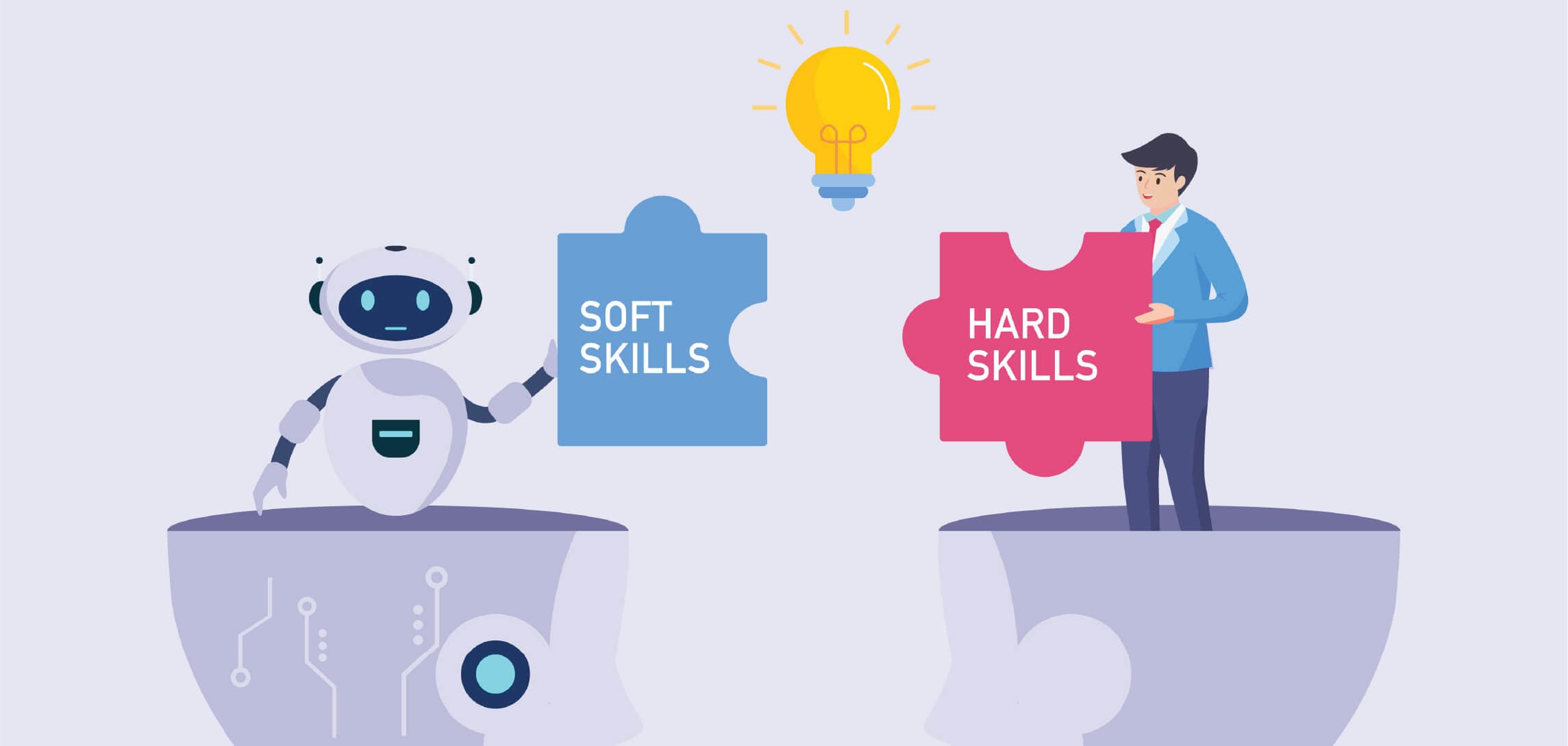
Although AI is unlikely to fully replace designers, it is clear that their role is evolving. The focus is shifting from execution toward direction-setting, curation, and oversight. AI serves as a tool that enhances efficiency, reduces time spent on repetitive tasks, and enables broader exploration of ideas. Designers who can adapt and integrate these tools effectively will have a distinct advantage in the long term.
6. Value from a brand perspective
For some businesses, a logo may simply be a starting element. For others, it is a valuable asset and a key component of long-term brand building. Investing in design is therefore not just about aesthetics, but also about credibility, recognition, and differentiation in the market. In this context, the decision between using AI or working with a designer depends on how important the brand is to the business itself.

Conclusion
While AI has clearly transformed the logo design process, particularly in terms of speed and accessibility, logo design remains more than the creation of visuals. It is fundamentally about communicating a brand’s identity over time. Designers are not disappearing; rather, they are adapting their roles to align with new tools.
Overall, AI is not here to fully replace designers, but to reshape how design work is done. Using AI effectively means applying it where it adds value, such as generating initial concepts or exploring variations. At the same time, strategic decisions, interpretation, and the creation of a distinctive brand identity continue to rely on human expertise. The balance between these two elements ultimately defines the quality of design in the present era.