
June 11, 20253 min read
4 Beauty Clinic Logo Design Mistakes You Must Avoid!
Blog

April 09, 2025
One aspect of a hospital’s image that can establish trust in a split second is the "logo." It is not merely a familiar symbol for those receiving services, but the most crucial starting point for trust in the healthcare system. Hospital logo design has therefore become a vital mission that no hospital should overlook, especially in the Digital Health era, where patients encounter the brand through a screen more often than a doorway.
In the past, hospital logos often referenced medical symbols, such as the Red Cross or a cross, to signify care and treatment. Although they communicated the point directly, they often lacked differentiation, creativity, and were not suitable for use in various contexts, especially on digital platforms. In an era where users’ first perception of a brand comes via websites, applications, or social media, hospital logo design must evolve to a point where it can clearly communicate each hospital’s unique identity and build credibility from the first glance.
The world of digital health has not only changed treatment technology but also the behavior of patients who choose a hospital based on prior brand perception, whether through a Google search, reading reviews, or even seeing a tiny logo on an app. A good logo in this era must meet visual, emotional, and practical demands, such as:
It’s no surprise that hospital logo design companies in this era are not just designers; they must also understand branding, medicine, and user behavior, because the logo works on the brand’s behalf at all times.
Designing a logo for a hospital is more sensitive than for a typical business because it involves an organization related to "life, safety, and trust." The logo must therefore function on dimensions beyond mere aesthetics. The challenges include:
It is no surprise that hospital logo design has become a mission requiring a deep and genuine understanding of the healthcare business’s nature.
A good design process should have a system to accurately discover and translate the hospital’s identity. Typically, experienced hospital logo design companies give serious importance to all these steps:
For modern hospital logo design approaches, it is not necessary to stick to traditional forms; you can design with a distinct standpoint. For example:
A logo is not just a symbol; it is a business tool that affects long-term results, such as:



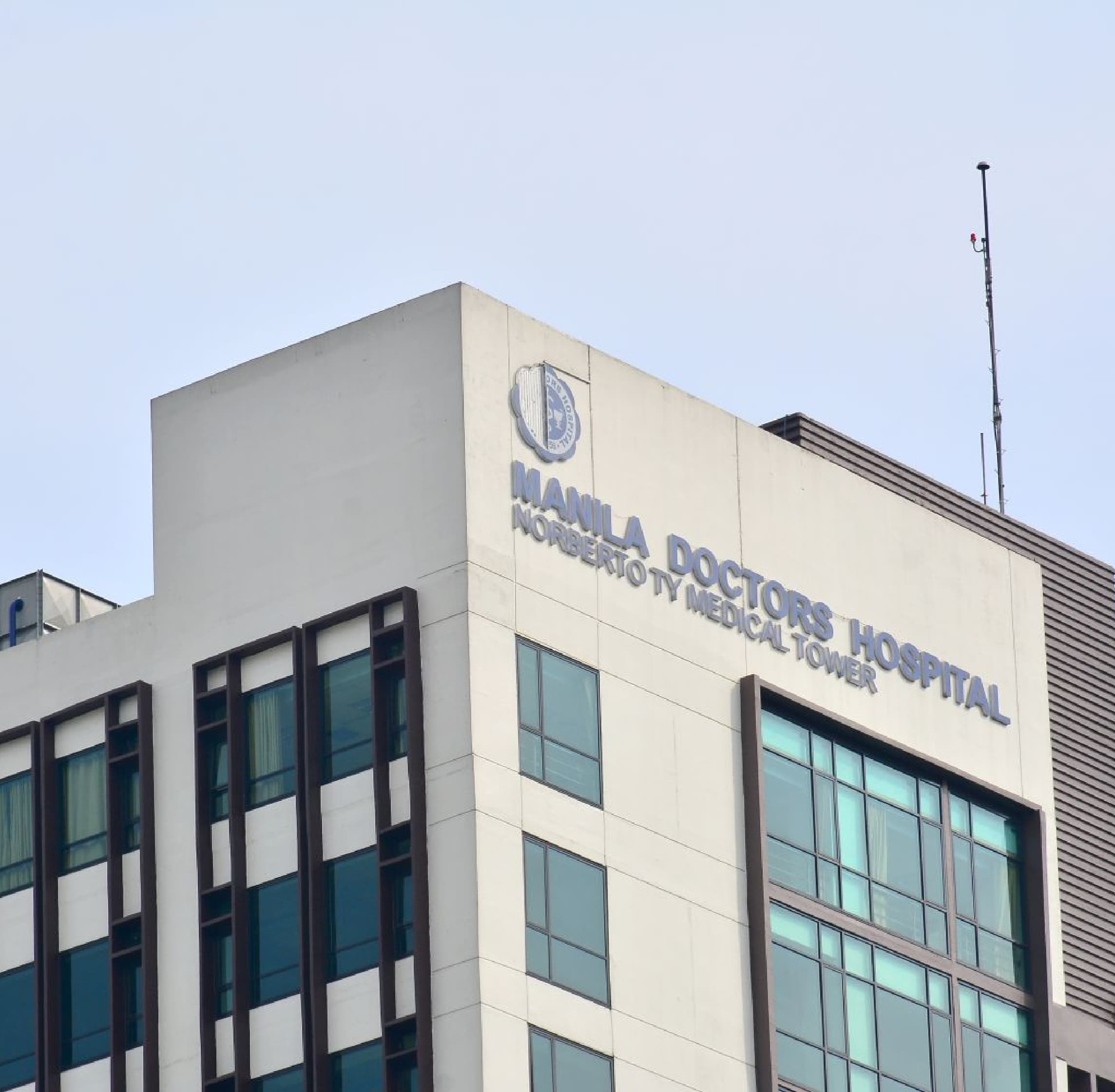

The challenge of hospital logo design in the digital health era is to design trust that starts visually and connects deeply with the service user’s feelings. Therefore, logo design requires a professional understanding of the health dimension, design, and branding. This is the heart of a brand’s sustainable future growth, and all these elements should be given the highest priority.
Thus, using the services of a hospital logo design company is another option that helps create a logo that reflects the image and meets the hospital’s needs. Because a good logo doesn’t just say, "This is who we are," it also makes people "Want to choose us."