
September 07, 20243 min read
5 (Not-So) Secret Tips to Build Outstanding Branding: Getting Ahead and Differing in 2025
Blog

September 02, 2024
In a highly competitive business world, having a brand that stands out across all communication channels is crucial. Branding is not just about designing a logo or choosing colors; it includes creating a "Brand Identity," or a clear image, to build sustainable recognition and make a lasting impression on the target audience.
Therefore, the Brand Book is an essential tool that helps a brand achieve clarity in every dimension and effectively communicate its identity. Today, we will explore what a Brand Book is and what steps are involved in professionally designing a Brand Book.
A Brand Book is the brand’s standard manual (Brand Guideline) that specifies the details of brand elements such as the logo, colors, fonts, imagery, and content layout. It helps establish a systematic direction for the brand’s communication to ensure consistency across all channels—whether online media, advertising, product design, or even internal employee presentations. A good Brand Book helps a brand maintain a clear image and makes it easily recognizable in the eyes of customers.
A Brand Book design should consider specifying the details of the following key components:
This section explains the brand’s direction and goals, allowing the Brand Book user to understand the core essence and values the brand wishes to communicate. For example, Apple focuses on creating products that blend innovation and superior design to deliver the best user experience.
This specifies key visual elements like the logo, variations of the logo in different sizes, and rules for what not to do (Logo Don’ts). It also includes the official Brand Color Palette, Typography (fonts), and Layout guidelines to ensure every application clearly expresses the brand’s identity.
Choosing the right images and visual style helps communicate the brand’s personality more effectively. The Brand Book design should specify the style of illustrations and graphics that reflect the brand’s identity.
This outlines the guidelines for language and communication style, such as word choice, sentence structure, and adjusting the tone to fit the target audience. This is essential for creating a consistent brand image. For example, Nike uses a communication style that is inspirational and motivates determined action.
A good Brand Book design should include practical examples of how to use the various elements, such as logo application on business cards, websites, brochures, or social media. This helps the user understand and apply the guidelines correctly and effectively.
Designing a Brand Book is not simple; it requires a thoughtful and creative process, including:
Start by understanding the brand’s vision, mission, and goals, as well as studying the target audience, to create a structure that aligns with the desired brand image.
Clearly outline the content, from presenting the brand identity to the detailed guidelines for its use.
This includes the logo, color palette, fonts, and illustrations, ensuring consistency and balance across all elements.
After designing, it’s crucial to test the applications in various scenarios, such as in print, on digital media, or in co-branding with partners, to ensure the Brand Book is flexible and communicates well on all channels.

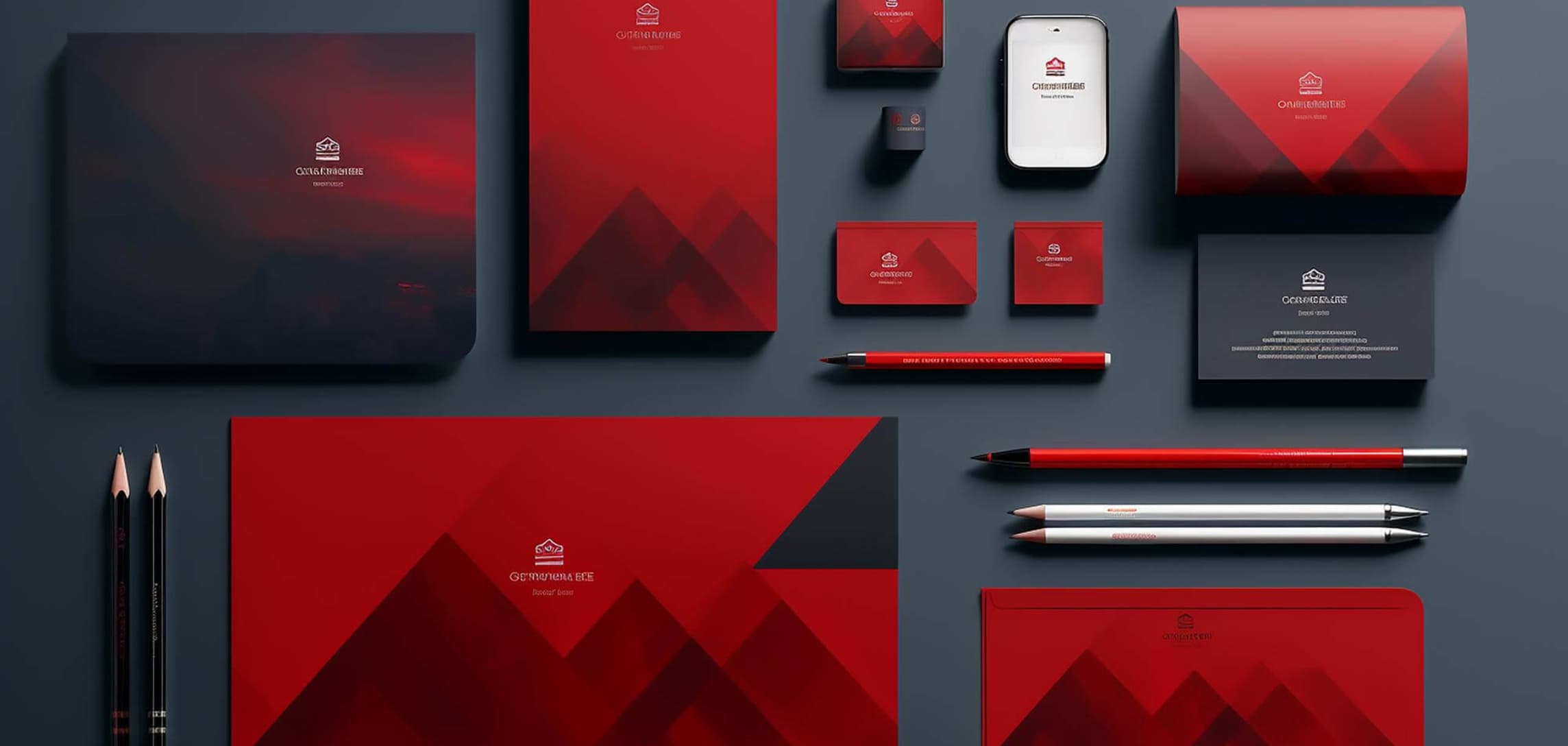
A Brand Book is a vital tool that helps a brand maintain a clear image and identity over the long term. Designing a Brand Book effectively not only systematizes brand communication but also builds credibility and consistency across all channels.
If you want to build a brand that stands out and creates effective recognition, investing in a Brand Book is something you cannot overlook. A good Brand Book not only helps the internal team clearly understand the brand’s image but also ensures that all customer communications are unique and consistent, ultimately building lasting recognition and a strong impression in the minds of your target audience.
Blog
5 (Not-So) Secret Tips to Build Outstanding Branding: Getting Ahead and Differing in 2025
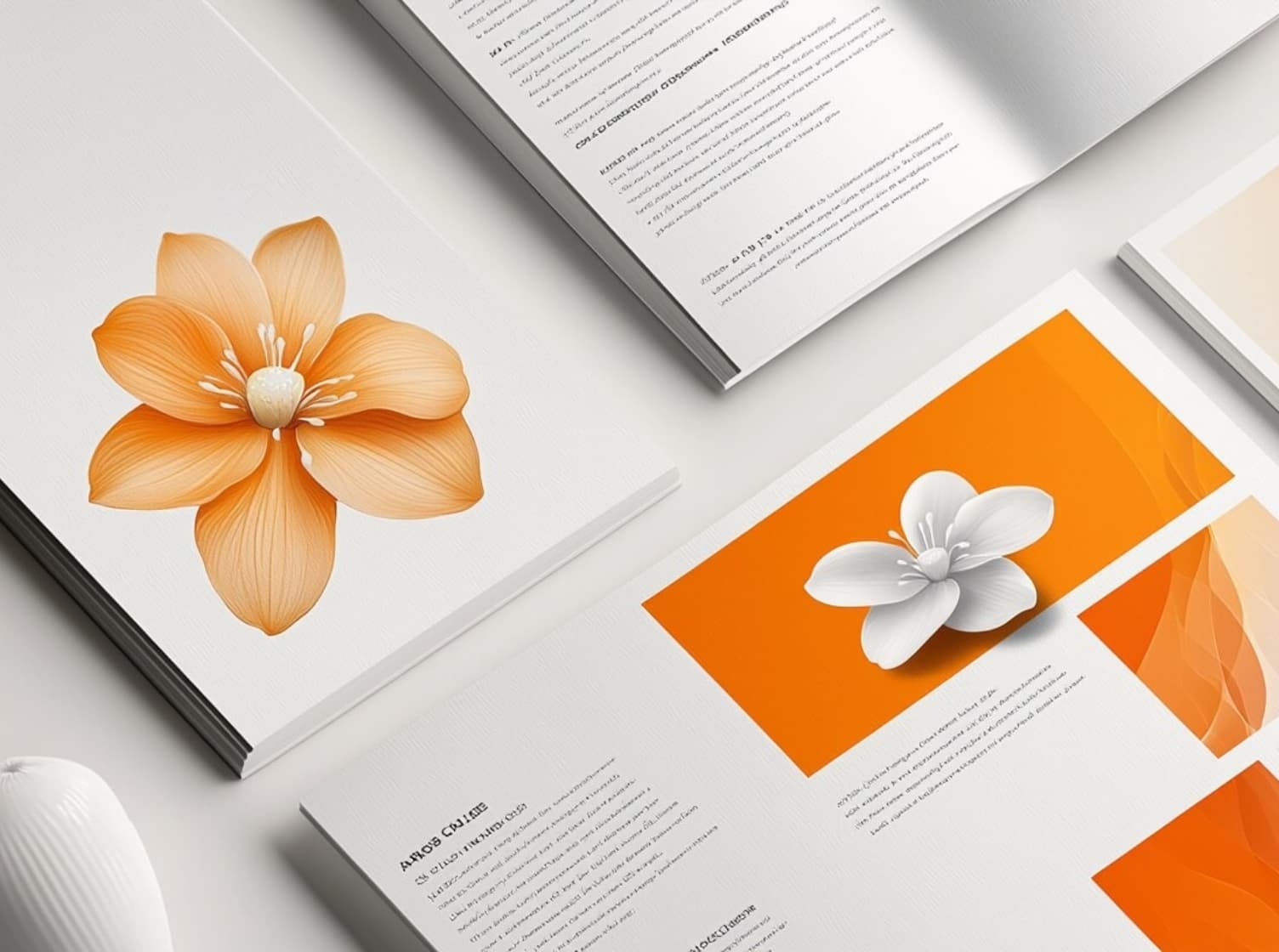
What Is Brand Identity? A Deep Dive into the Essential Role of the Brand Book
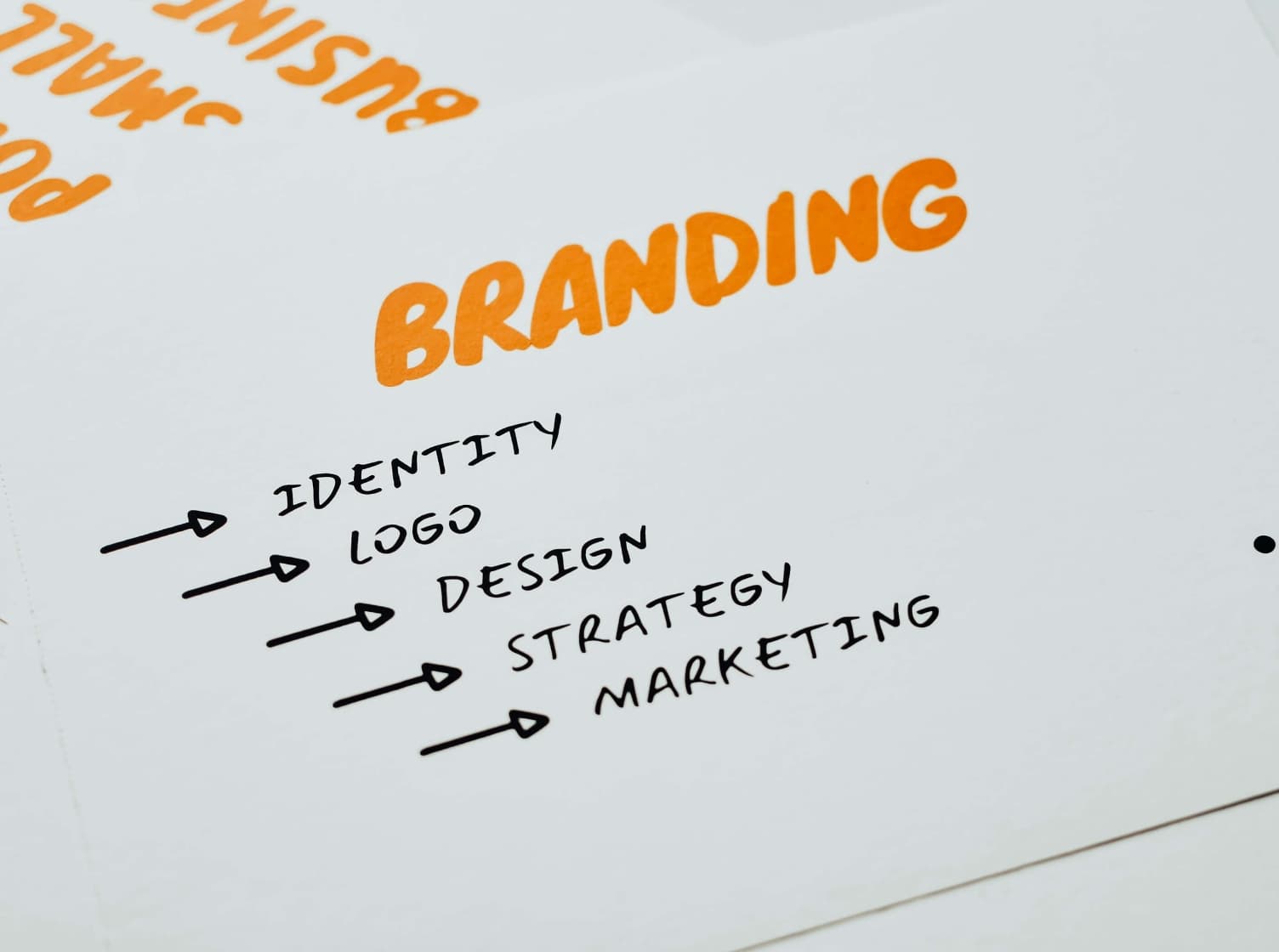
What Is Branding and Why It Matters for Every Business